

Pediatric Orthotics
Custom orthotics for children
Lower Limb Orthotics
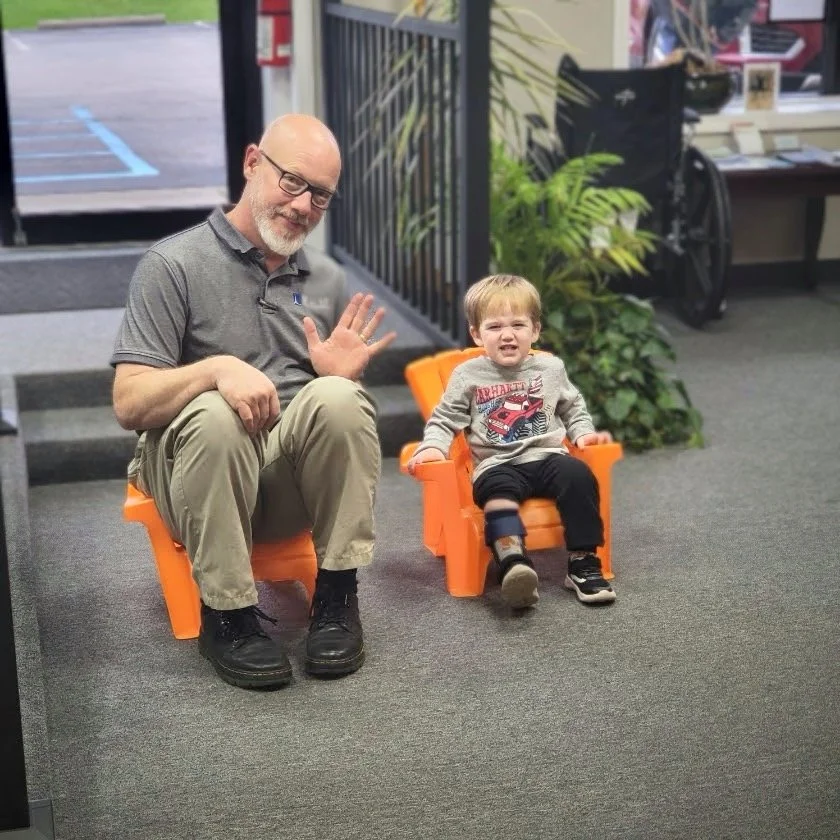
Pediatric Orthotics range from head to toe, and differ significantly from adult orthotic intervention. Your child requires special care that our certified orthotists can offer. We specialize in pediatric bracing, led by Certified Orthotist Sean Greer. We work with companies like Cascade Dafo, Benik, Orthomerica, and fabricate pediatric orthotics In-House.
Pediatric Lower Limb Orthotics are commonly used to help with the following neuromuscular conditions
Spina Bifida
Cerebral Palsy
Muscular Dystrophy
Charcot Marie Tooth
Incomplete spinal cord injuries
Down’s Syndrome
-
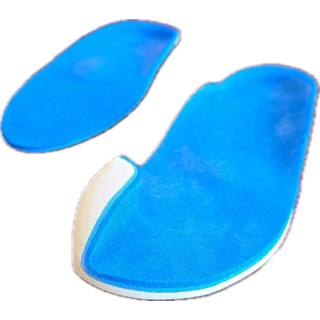
Foot Orthosis (FO)
A Foot Orthosis is used to support the arches of the food, often used to correct flat feet in children.
-
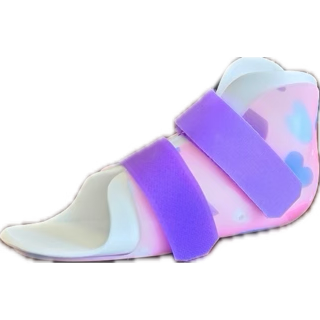
Supramalleolar Orthosis (SMO)
A supramalleolar Orthosis, or SMO, controls the foot and ankle. The trimline of the brace comes up just above the ankle bone and can help alignment of the ankle from side to side (coronal plane).
-
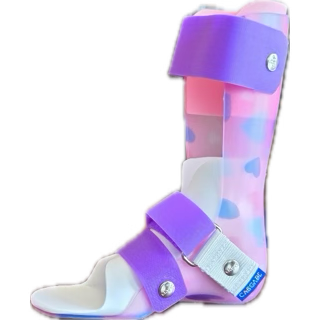
Ankle Foot Orthosis (AFO)
An Ankle Foot Orthosis, or AFO, is used to control the foot/ankle complex. Design of the AFO varies according to the condition of the patient, as well as the goals of the device. These braces can be used for positioning to keep your child’s foot and ankle in a corrected alignment as they grow. The braces are also functional and can improve your child’s balance, stability, and relieve pain when walking.
-
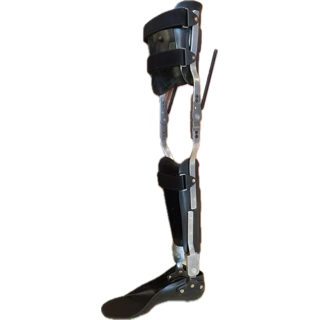
Knee Ankle Foot Orthosis (KAFO)
A Knee Ankle Foot Orthosis, or KAFO, is used to control the knee and ankle joints of your child. This type of brace is normally required if your child has weakness in the upper leg, leading to unstable knees. A KAFO can provide increased stability when standing and walking, and helps prevent the knee from buckling.
Scoliosis
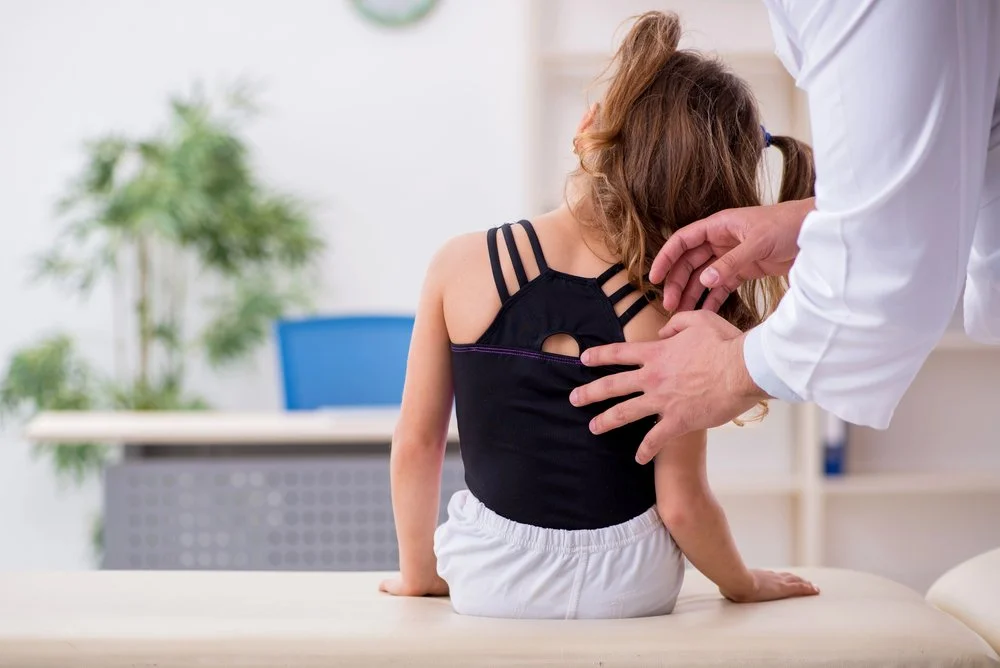
Scoliosis bracing comes in many different shapes and styles. Our orthotists work with your child’s doctor and therapy team to determine the most appropriate bracing to correct or accommodate your child’s curve.
Many factors are involved in determining the frequency of wear for a scoliosis brace. Bone age, curve severity, and age of your child are all important in how the curve should be managed. The main goal in scoliosis bracing is to stop the curve from progressing. This can be done with a full time wear or night time wear brace. Your child’s lifestyle is also important to us, so we take into consideration the hobbies and sports they are involved in when designing the perfect brace for them.
We utilize precise 3D scanning techniques along with manual measurements and X-rays to fabricate the custom scoliosis brace. The curve is then monitored to ensure the brace is working properly and we are achieving the desired results.